Recognizing the Impact of School on Academic and Social Development
The impact of school on scholastic and social growth is extensive and multifaceted. Educational organizations not just provide a structured educational program yet additionally foster necessary social interactions amongst students. These characteristics shape specific development and prepare pupils for future obstacles. Understanding these components exposes the complexities of academic atmospheres. What particular elements contribute most significantly to this development, and how do they connect with one another?
The Function of Curriculum fit Understanding Outcomes
While numerous variables influence educational success, the educational program plays a crucial role in shaping finding out results. A well-structured curriculum acts as a roadmap for pupils, leading them with vital knowledge and abilities essential for scholastic accomplishment. It develops clear discovering goals, making certain that instructors have a structure to align their teaching approaches and assessments.
The curriculum cultivates crucial thinking and analytic abilities by urging pupils to involve with diverse materials and point of views. It likewise accommodates differing learning designs, advertising inclusivity and enabling all pupils to grow.
When the curriculum is pertinent and responsive to pupils' rate of interests and societal demands, it boosts inspiration and interaction, eventually bring about far better instructional outcomes. The top quality and layout of the curriculum are fundamental aspects that substantially influence a student's scholastic trip, offering the structure for lifelong understanding and personal advancement.
Teacher-Student Interactions: Building Count On and Involvement
Efficient teacher-student communications significantly add to the general academic experience, enhancing the organized curriculum. These communications produce a foundation of trust fund, necessary for cultivating an atmosphere conducive to learning. When instructors actively engage with students, they show authentic rate of interest in their sensations and ideas, which motivates pupils to reveal themselves freely.
Such interaction not just enhances academic performance but also sustains social advancement. Via significant discussion and personalized feedback, instructors can identify individual student needs, adapting their strategies to assure inclusivity. In addition, favorable communications impart a feeling of belonging, encouraging students to take part more actively in classroom conversations and activities.
Eventually, building count on via effective interaction and common respect in between instructors and trainees lays the foundation for an efficient discovering environment, where students really feel valued and encouraged to reach their full capacity. This dynamic connection is essential for growing both academic success and emotional health.
The Relevance of Peer Relationships in Advancement
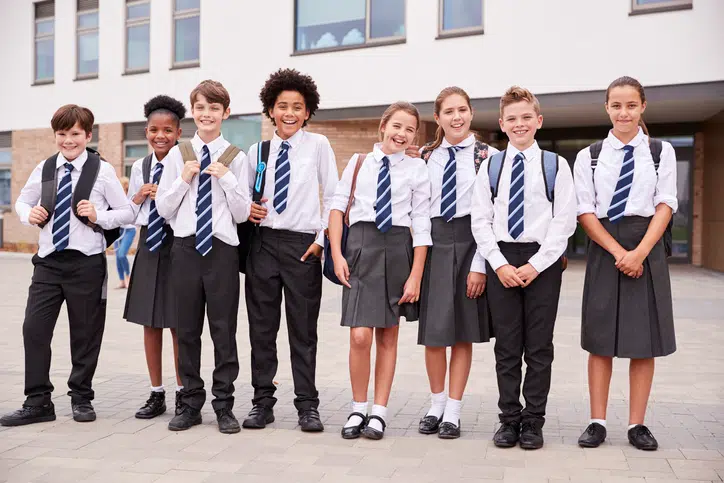
Solid peer links add to emotional well-being, offering assistance during difficult times and promoting a sense of belonging. Favorable relationships can enhance self-worth and encourage risk-taking in a risk-free environment, which is essential for personal growth.
In scholastic settings, partnership with peers can additionally promote cognitive growth, as trainees exchange concepts and test each various other's thinking. This collaborative knowing fosters critical reasoning and analytical capacities, even more improving their educational experiences (Grade School). On the whole, the significance of peer connections in advancement can not be understated, as they develop an essential foundation for both social skills and academic success
Extracurricular Activities and Their Influence On Social Skills
Extracurricular tasks function as an essential expansion of peer relationships, giving additional platforms for children and adolescents to create their social abilities. Participation in arts, sporting activities, and clubs promotes synergy, communication, and cooperation amongst peers. These activities usually need people to browse diverse social dynamics, improving their ability to interact with others.
In organized environments, pupils learn to work out duties, resolve conflicts, and assistance each other in the direction of common objectives. Such interactions add to enhanced empathy, as individuals gain understandings right into different perspectives - Grade School Peoria. Furthermore, participation in extracurriculars advertises a sense of belonging, reinforcing social ties that extend beyond the classroom
Involvement in these tasks allows individuals to practice important life abilities, such as leadership and flexibility. Eventually, the social experiences obtained through extracurricular quests play an essential role in shaping confident, well-rounded people outfitted to browse facility social landscapes throughout their lives.
The Impact of College Setting on Psychological Wellness
The college setting plays a crucial role in shaping students' psychological health via their interactions with peers and educators. Favorable peer relationships can offer necessary support, while the influence of teachers can substantially affect students' emotional states. Recognizing these dynamics is crucial to fostering a nurturing school ambience.
Peer Relationships and Assistance
While going to school, pupils frequently create relationships that greatly form their psychological health. These peer links can give important support, promoting a feeling of belonging and approval. Favorable relationships contribute to enhanced self-confidence and resilience, enabling students to navigate difficulties better. Conversely, adverse interactions, such as intimidation or social exemption, can bring about feelings of isolation Full Report and stress and anxiety, substantially influencing psychological wellness. The school atmosphere functions as a critical context for these dynamics, where students discover social skills and psychological guideline with their communications. Ultimately, the quality of peer relationships plays a vital function in forming not just academic success however also general psychological development, highlighting the importance of supporting encouraging social media networks within instructional settings.
Instructor Influence on Feelings
Empathy acts as a foundation in the teacher-student relationship, exceptionally affecting trainees' psychological health. Educators that show understanding and empathy produce an encouraging class environment, enabling trainees to reveal their sensations without concern of judgment. This emotional safety cultivates resilience and urges pupils to involve totally in their scholastic pursuits. Furthermore, teachers who model emotional policy and positive coping methods assist pupils navigate their very own psychological difficulties. The influence of teacher responses, both constructive and positive, can considerably form students' self-esteem and motivation. Inevitably, a nurturing and compassionate educator can catalyze a pupil's emotional development, contributing to their total academic success and social advancement within the college atmosphere. Identifying this influence highlights the crucial function instructors play fit psychological landscapes.
Diversity and Inclusion: Preparing Trainees for an International Society
In a rapidly globalizing globe, schools play a crucial function in welcoming cultural distinctions amongst students. By promoting joint discovering, universities can foster an environment where varied point of views are valued and integrated. This strategy not just prepares trainees for a modern culture click here to find out more yet likewise improves their interpersonal abilities and compassion.
Welcoming Social Distinctions
As colleges significantly reflect the diversity of the worldwide area, accepting cultural distinctions becomes crucial for cultivating a comprehensive setting. Acknowledging and valuing varied social histories improves pupils' point of views, motivating compassion and regard amongst peers. This understanding not just enhances academic experiences however likewise prepares trainees for future communications in a multicultural culture. Colleges that advertise cultural understanding via curriculum and activities aid students establish crucial thinking abilities and flexibility, critical in today's interconnected globe. By incorporating diverse viewpoints, teachers can create a supportive ambience that supports self-confidence and belonging. Eventually, welcoming cultural distinctions outfits trainees with the social competencies needed to flourish in a worldwide culture, cultivating unity and collaboration in their future ventures.
Advertising Collaborative Knowing
Various studies show that promoting collective knowing in educational setups significantly improves trainee interaction and achievement. This approach fosters an environment where students actively participate, share ideas, and resolve problems together. By operating in varied groups, students establish crucial social skills, such as communication, empathy, and respect for various perspectives. Collective understanding encourages critical thinking and more creative thinking, as students discover to bargain and integrate different viewpoints. This approach additionally prepares students for a worldwide society, where synergy and cooperation are vital. Reliable application of collaborative knowing strategies can link spaces in understanding and advertise inclusivity, making certain that all trainees feel valued. Inevitably, promoting collaboration not just improves scholastic end results however additionally grows a feeling of area and belonging within the class.
Adult Participation and Its Result on Academic Success
While the role of adult participation in education has actually long been identified, its straight effect on scholastic success can not be overstated. Study constantly shows that kids whose moms and dads engage proactively in their education have a tendency to perform far better academically. This participation can take various forms, including attending college occasions, connecting with educators, and aiding with research. Such involvement not only strengthens the value of education yet additionally promotes a helpful learning atmosphere in your home.
In addition, adult participation is connected to improved pupil self-confidence, behavior, and inspiration. Students are much more most likely to establish a favorable perspective in the direction of knowing when parents show rate of interest in their youngsters's academic undertakings. On the other hand, a lack of adult involvement can result in lowered academic efficiency and increased failure prices. Fostering strong collaborations in between colleges and moms and dads is vital for enhancing trainee achievement and advertising holistic growth.
Regularly Asked Inquiries
How Does School Funding Affect Educational High Quality and Resources?
Institution financing straight influences academic top quality and sources, as higher financing normally associates with far better facilities, access to sophisticated technology, and certified team. Inadequate financing commonly causes chock-full classrooms and limited academic chances for trainees.
What Role Does Technology Play in Modern Class Settings?
Modern technology plays a crucial role in modern class by enhancing discovering experiences, assisting in accessibility to details, advertising collaboration among pupils, and making it possible for personalized education, thereby preparing students for a swiftly advancing electronic globe.
Exactly How Do Standard Tests Impact Trainee Self-confidence and Performance?
Standardized tests usually produce substantial stress, resulting in anxiousness that can diminish trainee self-confidence. This pressure might adversely influence efficiency, as students may concentrate a lot more on examination scores than on authentic understanding and knowing.
What Are the Long-Term Effects of Harassing on Students?
Long-term results of harassing on students include boosted anxiousness, depression, and low self-confidence. These people typically deal with relationships, scholastic efficiency, and mental wellness issues, impacting their overall wellness and success in adulthood.
Just How Can Schools Successfully Address Mental Wellness Issues Amongst Students?
Colleges can properly attend to mental wellness issues among trainees by applying comprehensive support programs, training personnel to acknowledge indications of distress, promoting open interaction, and fostering a positive atmosphere that focuses on psychological wellness and resilience.
Educational organizations not just supply an organized curriculum however likewise foster important social communications among pupils. Ultimately, developing trust fund through efficient communication and common respect between instructors and pupils lays the foundation for an efficient knowing atmosphere, where pupils really feel valued and empowered to reach their complete capacity. In academic setups, collaboration with peers can likewise boost cognitive advancement, as trainees exchange ideas and challenge each other's reasoning. The institution environment serves as a vital context for these dynamics, where trainees find out social skills and emotional law through their communications. Ultimately, a nurturing and understanding teacher can militarize a pupil's psychological development, adding to their general academic success and social development within the school setting.
Comments on “Kindergarten: Recognition and Motivation for Young Children”